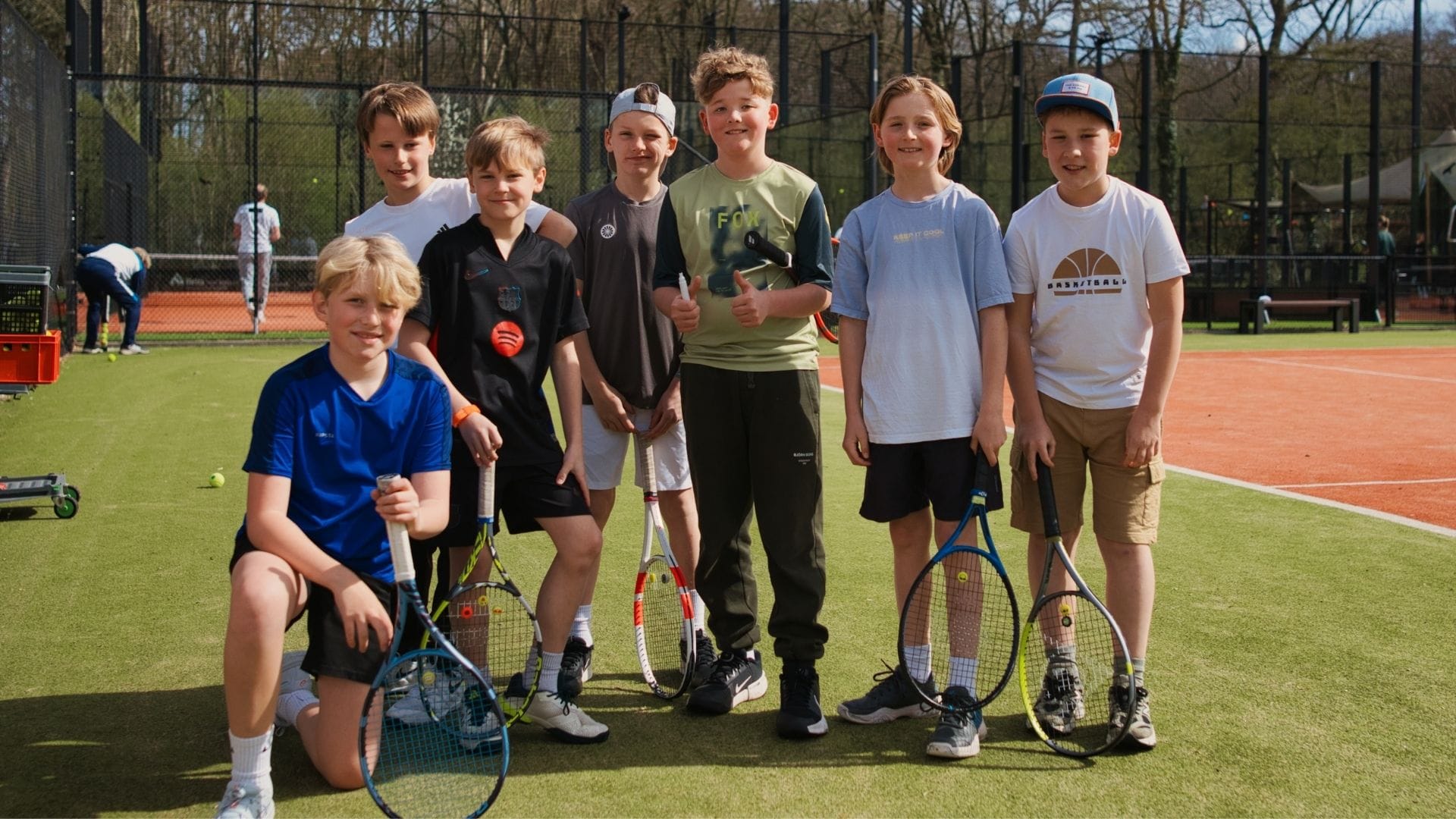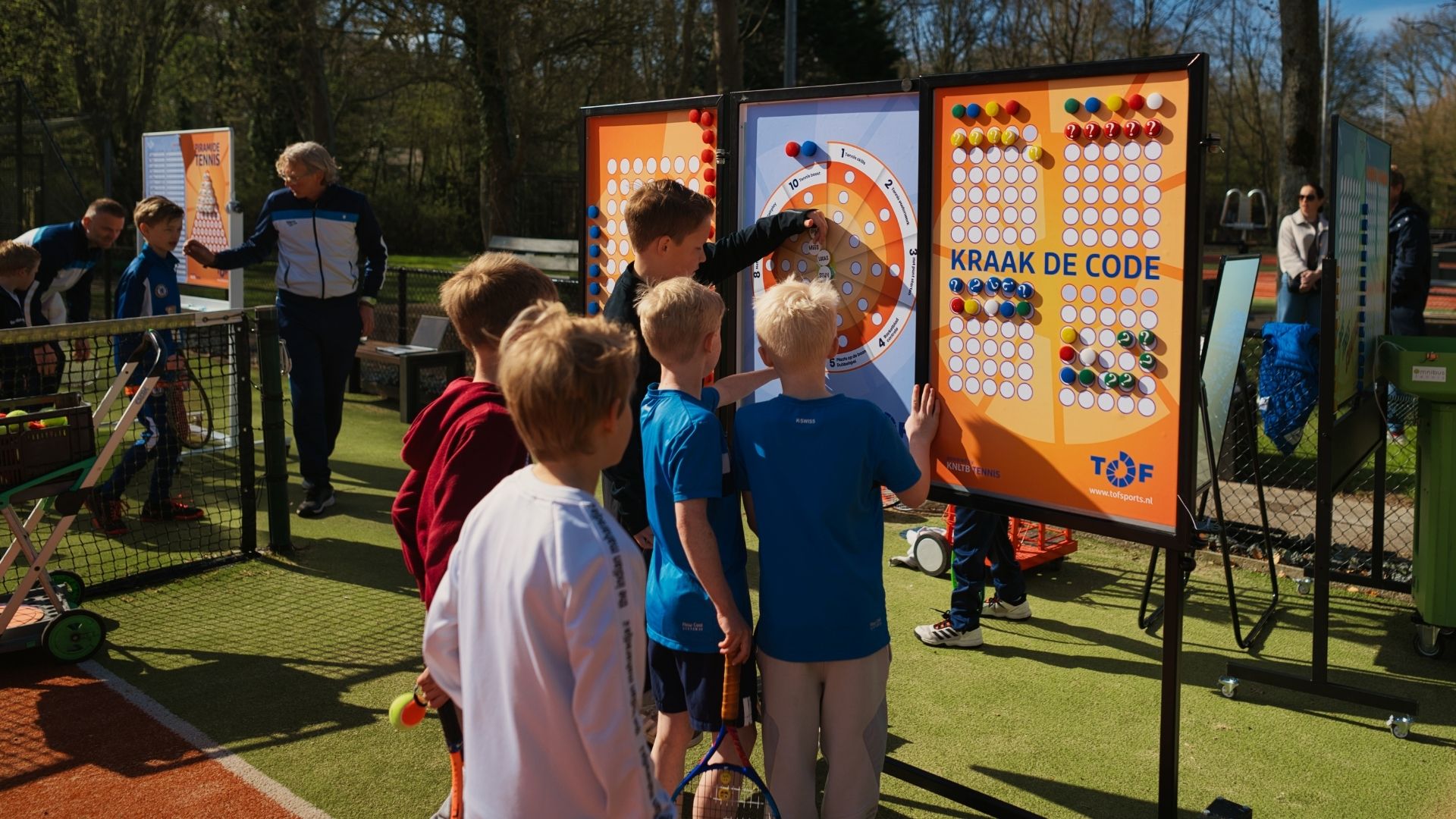
At many clubs, a junior starts the same way. New tennis or padel player. First lessons. Lots of enthusiasm. But after a few months, differences appear. Some become familiar faces at the club. Others become less and less visible.
Engagement is not created in the lesson alone
The lesson is important for development. But engagement grows elsewhere:
- during free play
- at club activities
- in contact with other juniors
- in shared challenges
Without that piece, the club experience stays limited.
What you often see at clubs
Many juniors:
- mainly know their own small group
- only come for their lesson
- have little contact with other ages or levels
- feel less connected to the club as a whole
The quiet exit
Juniors usually do not say they are quitting. It happens gradually:
- less often present
- less motivation to come
- weaker social connection
- eventually no renewal
Not because the sport is not fun — but because the club no longer plays a role in their week.
What does create engagement
Engaged juniors appear when players:
- get to know each other
- share goals together
- see what others are doing
- become part of something bigger than their own lesson
Why visibility matters
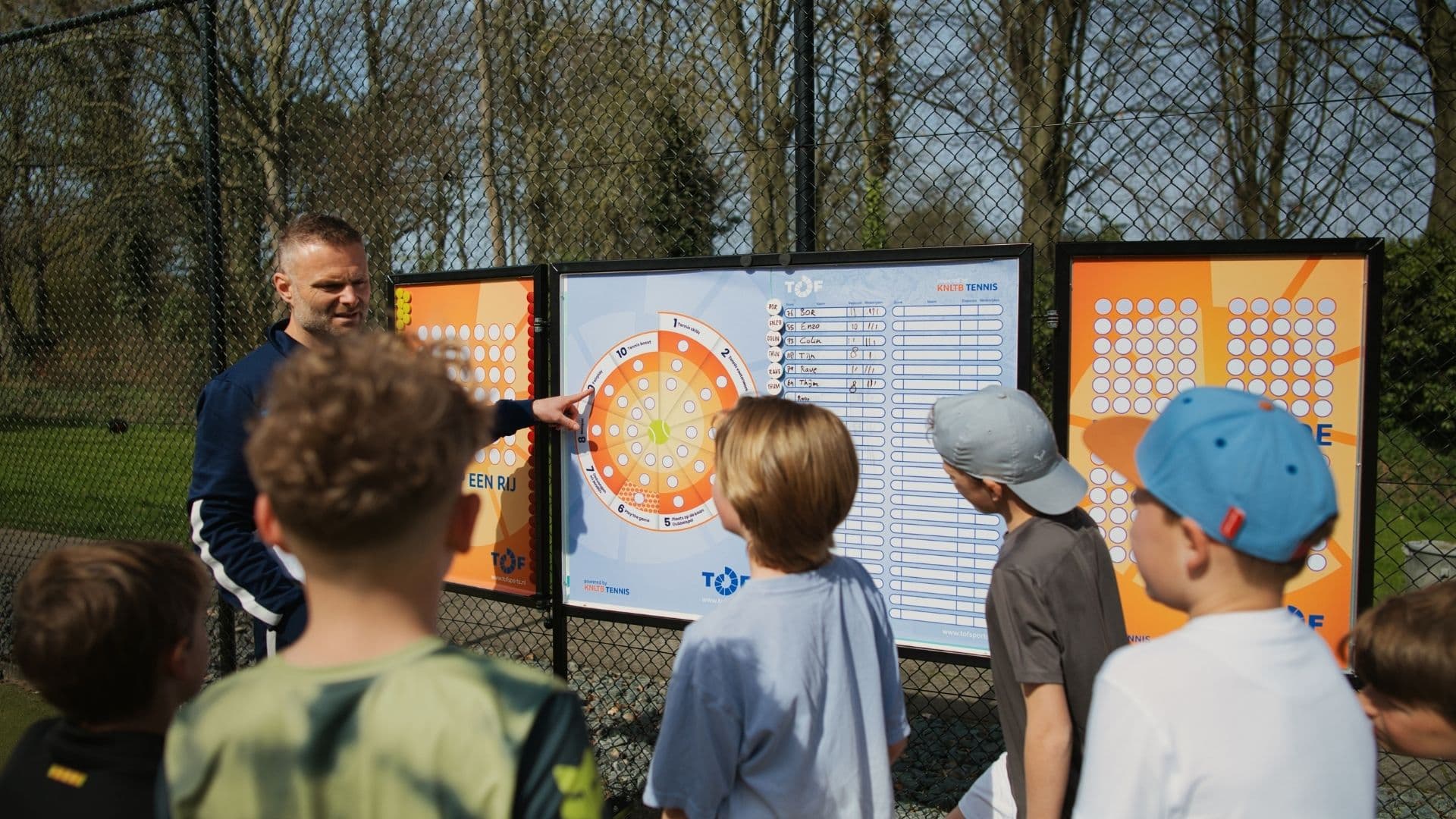
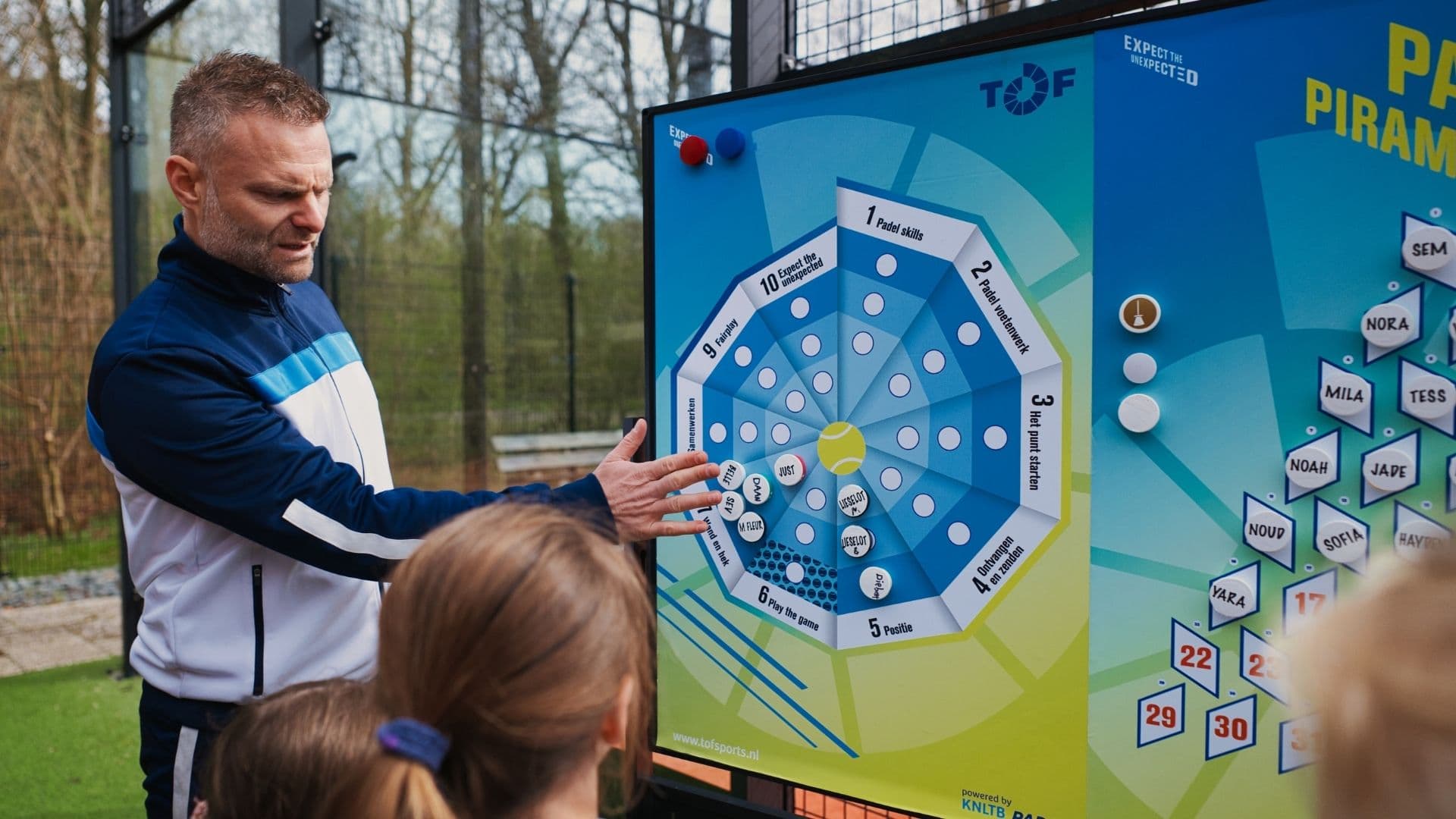
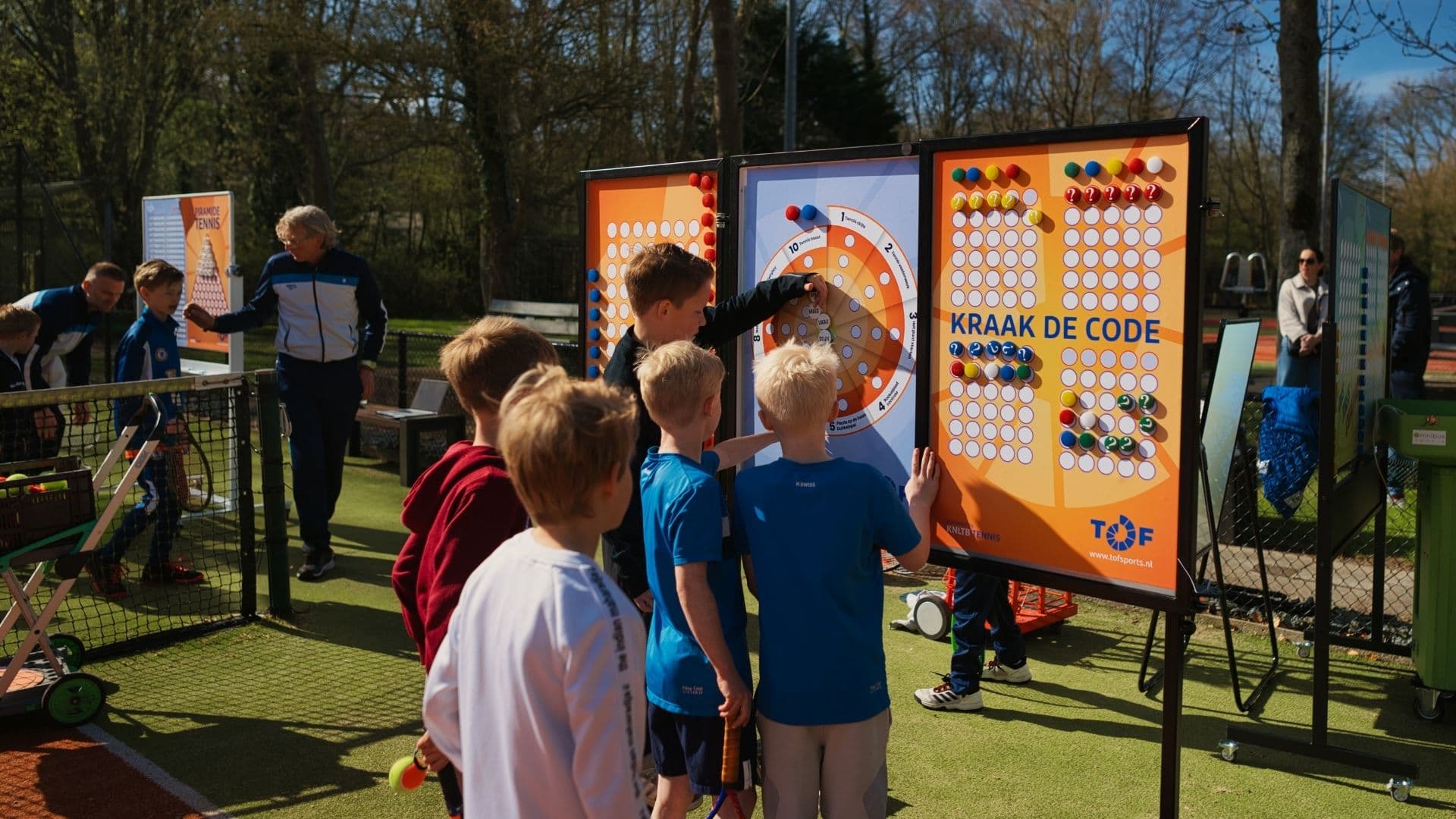
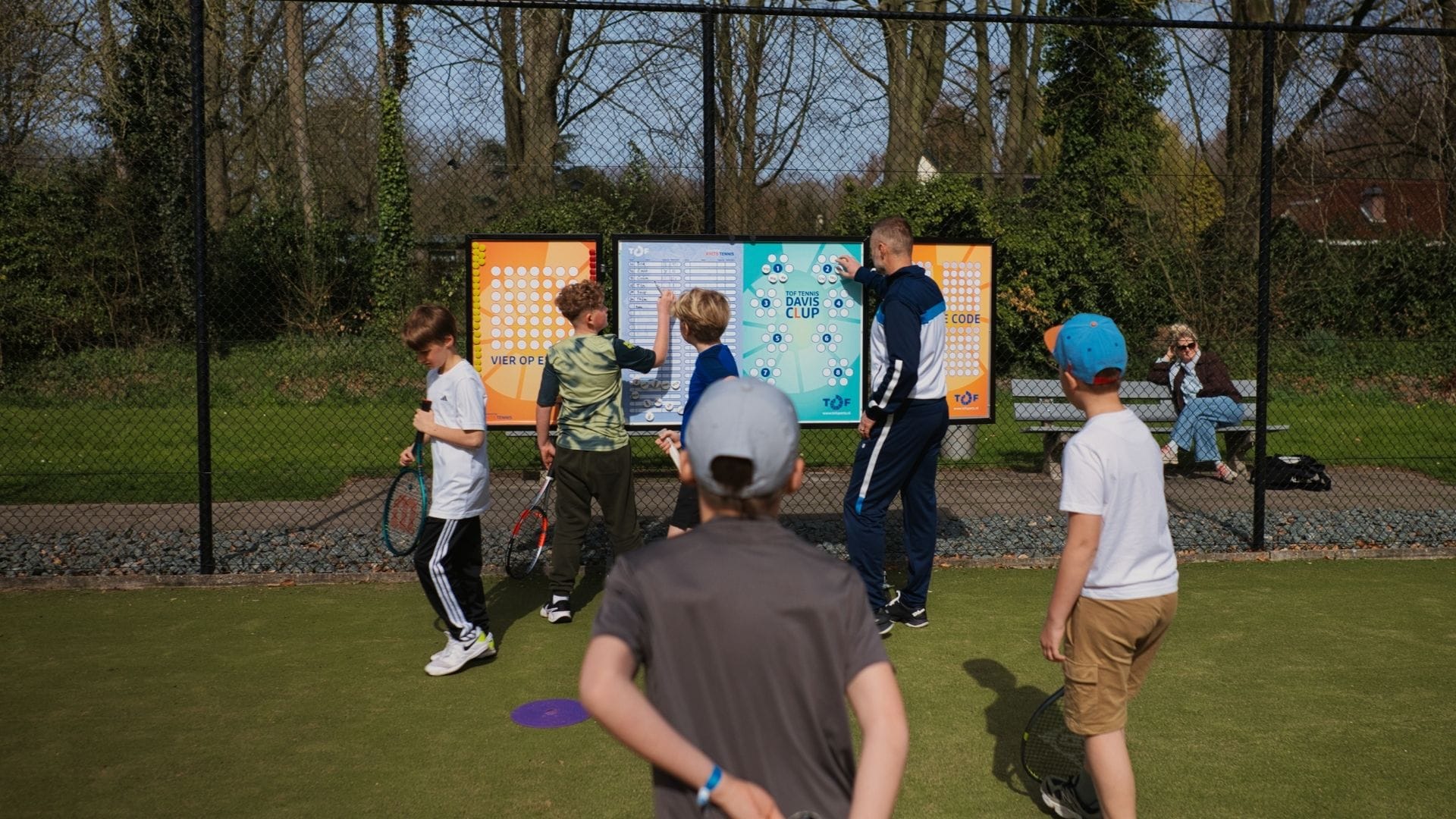
When activity becomes visible:
- players see that others are also playing
- healthy comparison and motivation grow
- peer interaction increases
- arrangements are made more quickly
From individual to together
The biggest change in strong junior programmes is this: players do not only get better at tennis or padel. They become part of a group.