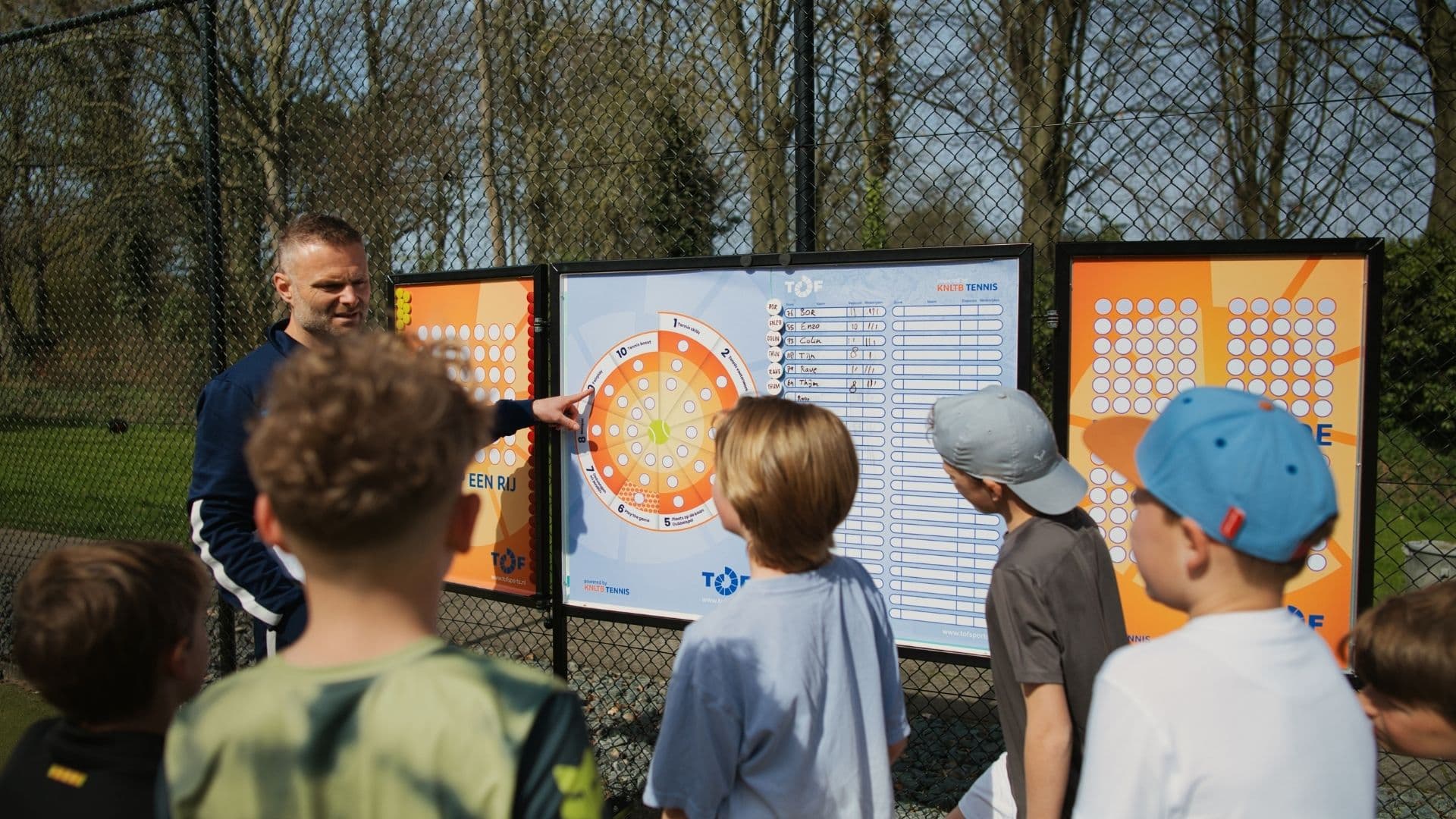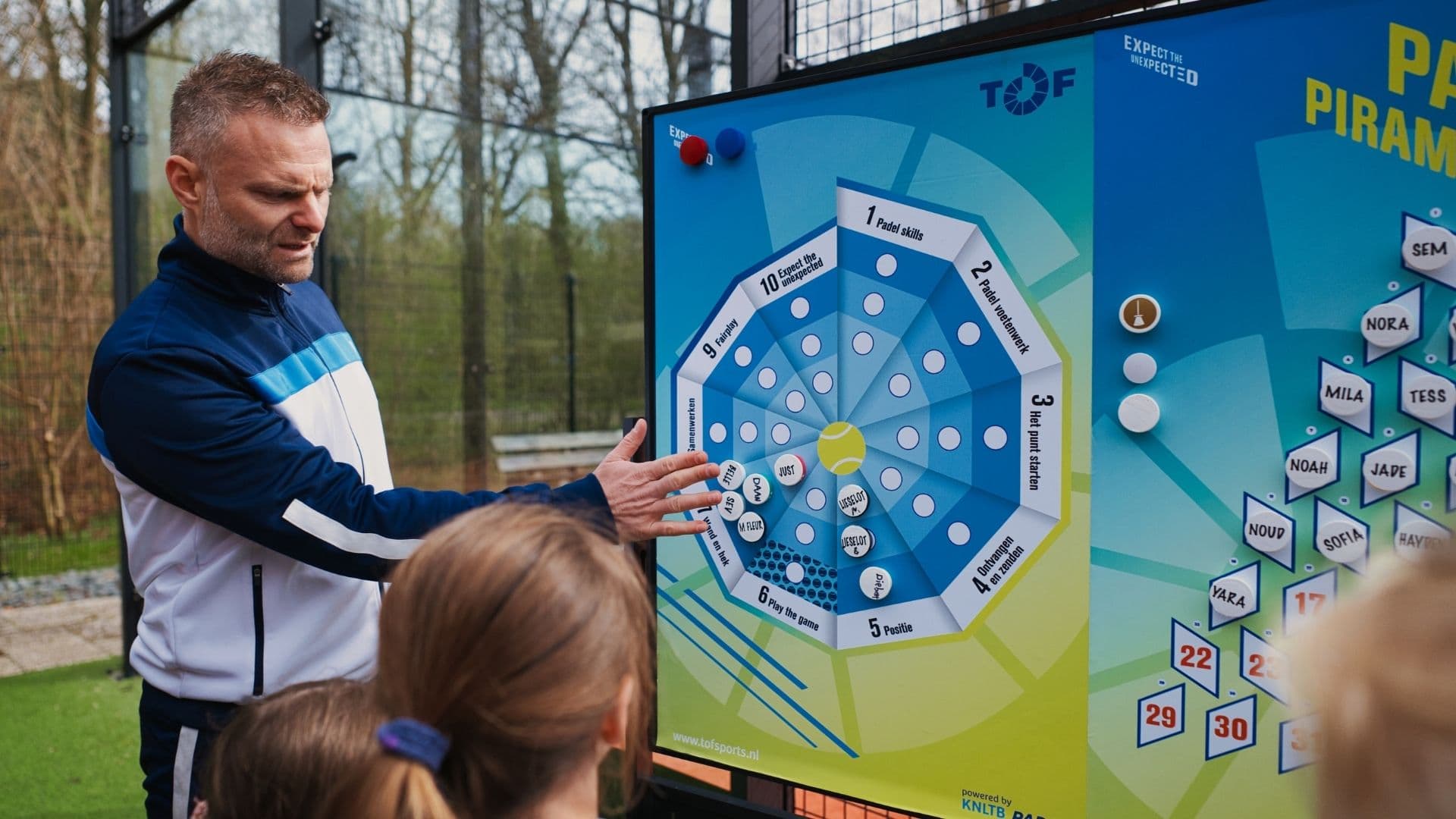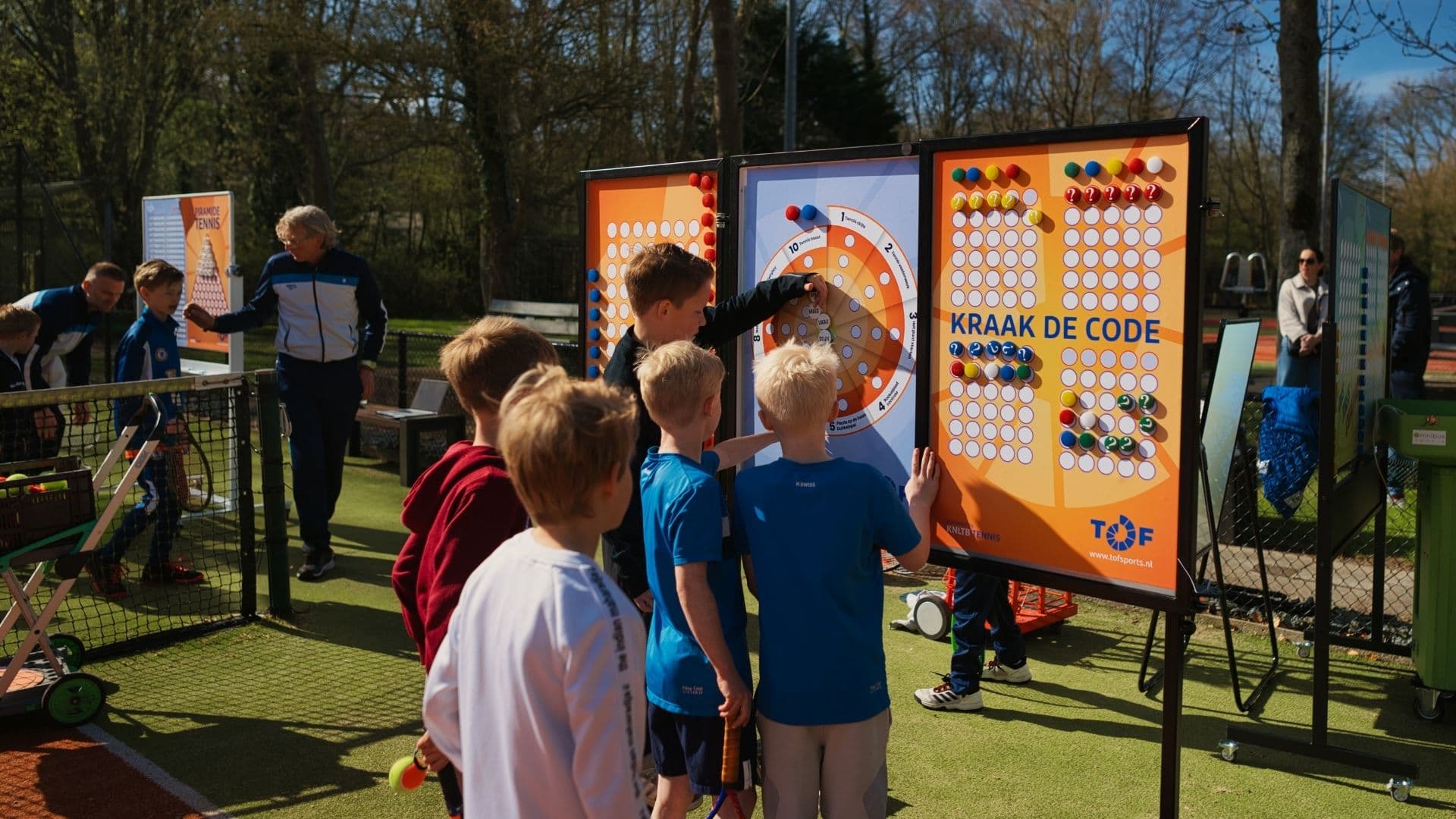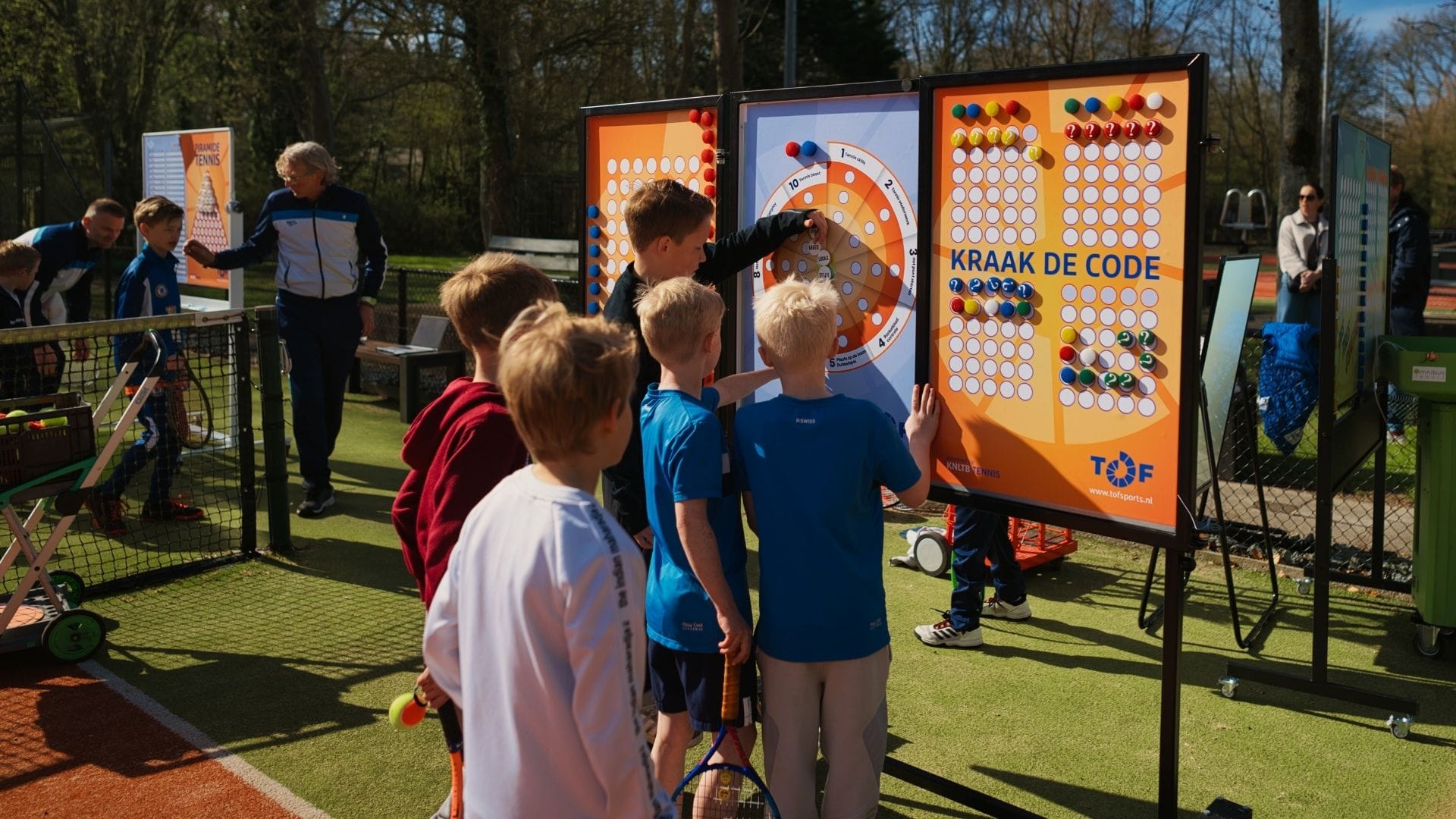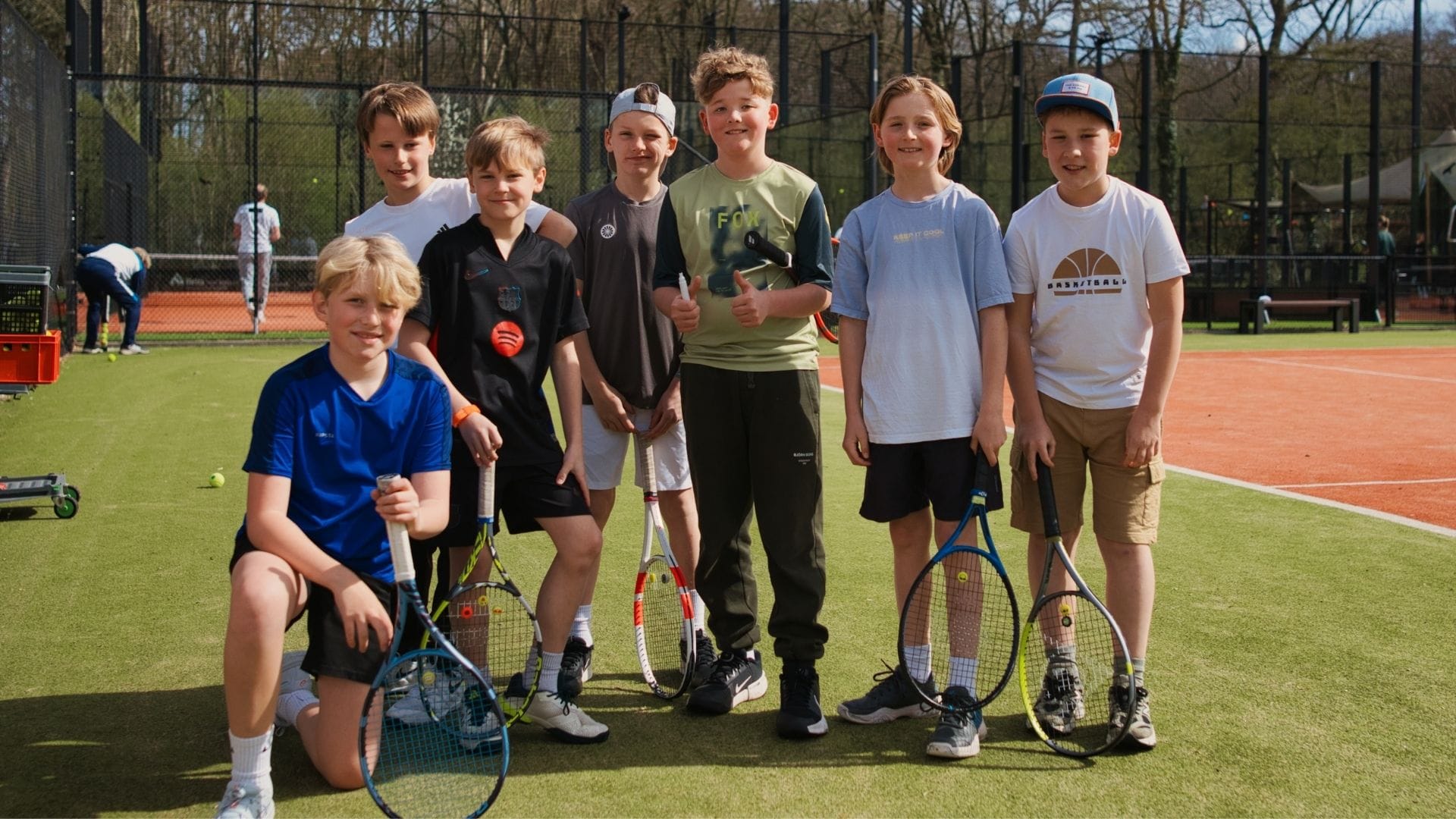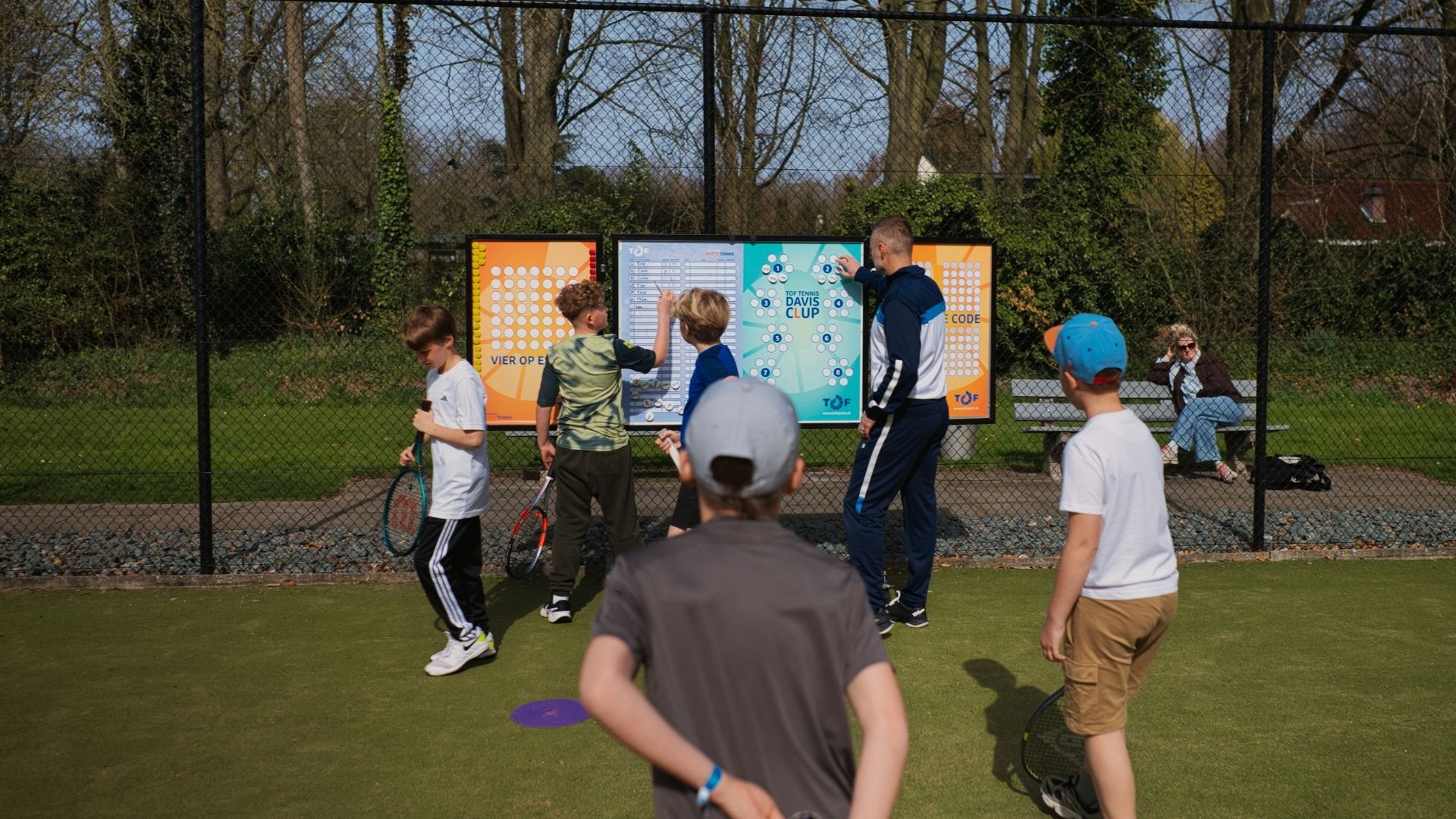
Many clubs already have a strong youth programme. Sessions are well organised, coaches work hard and there is structure at the club. Yet one thing often lags behind: how much juniors are truly challenged and motivated to develop in a playful way.
Learning on court happens through challenge
During a lesson, players learn within a clear structure. But real growth often happens in moments where players make their own decisions, challenge each other and repeat in a playful context. That is where energy, motivation and fun appear.
What you recognise at many clubs
At many clubs you see that:
- players mainly develop within fixed lesson slots
- there is little variety in playful challenges
- players are not always pushed to build on what they have learned
- development stays mostly “lesson-driven”
Why that matters
When development only happens in lessons:
- growth depends on one coached moment
- players miss variety and initiative
- there is less peer-to-peer challenge
- club life stays less dynamic
What strong clubs do differently
Clubs where juniors really grow create an environment where:
- challenges become part of training
- players can actively challenge each other
- small goals and playful formats give direction
- development is made visible and motivating
The effect of playing with challenge
When players enter challenging situations more often:
- they develop court awareness faster
- their confidence grows
- they take more initiative on court
- motivation stays high
But the most important effect is simple: players enjoy their development more.
From training to experiencing
The biggest shift in junior tennis and padel is not technical — it is about experience.
From: “I learn something during training”
To: “I discover, challenge and grow on court”